What Makes a Porta Potty ADA Compliant?
It comes down to space and reach, not just a bigger box. ADA Standards section 404.2.3 sets minimum clear door opening width at 32 inches, wide enough for a wheelchair to pass through without a fight. Inside, section 304.3.1 calls for a 60 inch turning circle so a chair user can rotate fully without backing out. Section 308.2.1 caps the forward reach at 48 inches high and 15 inches low, which is why grab bars and paper dispensers sit where they sit. Section 309.4 matters too: locks and latches have to work with a closed fist, no pinching or twisting, and no more than 5 pounds of force. Floors need to meet section 302.1, stable and slip resistant, not the wobbly pallet base some cheaper units ship with. Our ADA accessible porta potty line is built around these numbers, not close to them. If you're comparing it against a standard porta potty rental, the footprint difference is obvious the moment you walk up the ramp.
How Many ADA Units Do I Need in Arlington Heights?
ADA Standards section 213.2 is the rule that decides this: where single-user portable toilets are clustered, at least 5 percent must be accessible, and never fewer than one, no matter how small the cluster. Order six standard units for a festival footprint and you still need one ADA unit minimum. This stacks on top of your general count under OSHA 1926.51(c), which sets ratios like one toilet for 20 workers or fewer on a jobsite. Planning a site in Arlington Heights with crews bussed in from Palatine, 4.6 miles west, or Mount Prospect, 3.7 miles southeast, doesn't change the ratio, it just changes your delivery routing. Our how many porta potties do I need guide walks through the math for both construction counts and event counts side by side, since customers mix the two constantly and end up under-ordering.
Where Do ADA Units Need to Sit on Site?
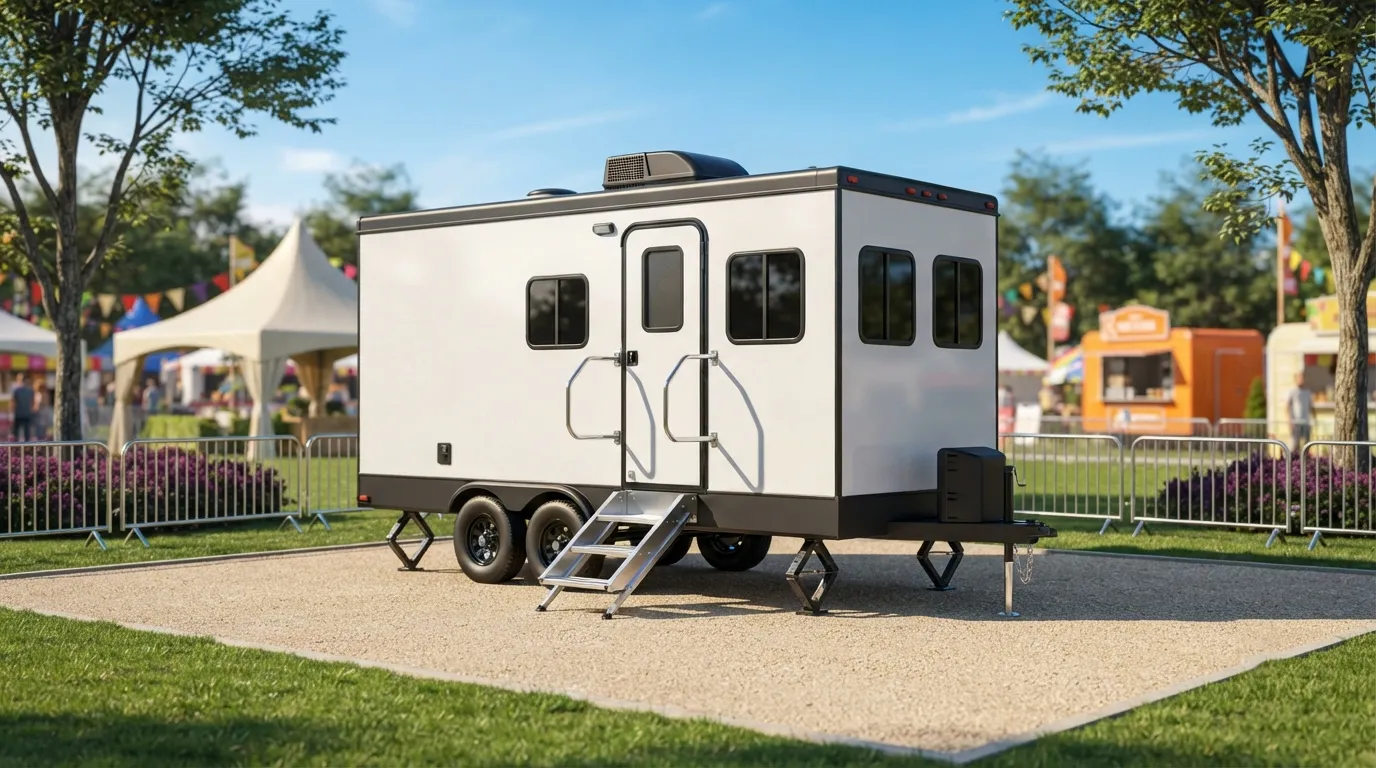
Placement is where most sites lose points on paper compliance and gain them back on delivery day. The path leading to the unit needs a clear route at least 36 inches wide under ADA Standards section 403.5.1, and if there's any grade change, a ramp can't run steeper than 1:12 per section 405.2. That's a gentle slope, roughly one foot of rise for every twelve feet of run, so a short ramp over a curb cut usually clears it without extra hardware. Our porta potty placement guide covers ground prep in more detail, and for jobsites we also flag lighting: OSHA 1926.56(a) sets minimum illumination for construction areas, worth checking if your ADA unit sits somewhere workers approach after dark. If you're fencing off the zone around the unit, see our temporary fence rental page for barrier options that don't block the required clear path.
Do I Need ADA Restrooms for a Construction Site or Just an Event?
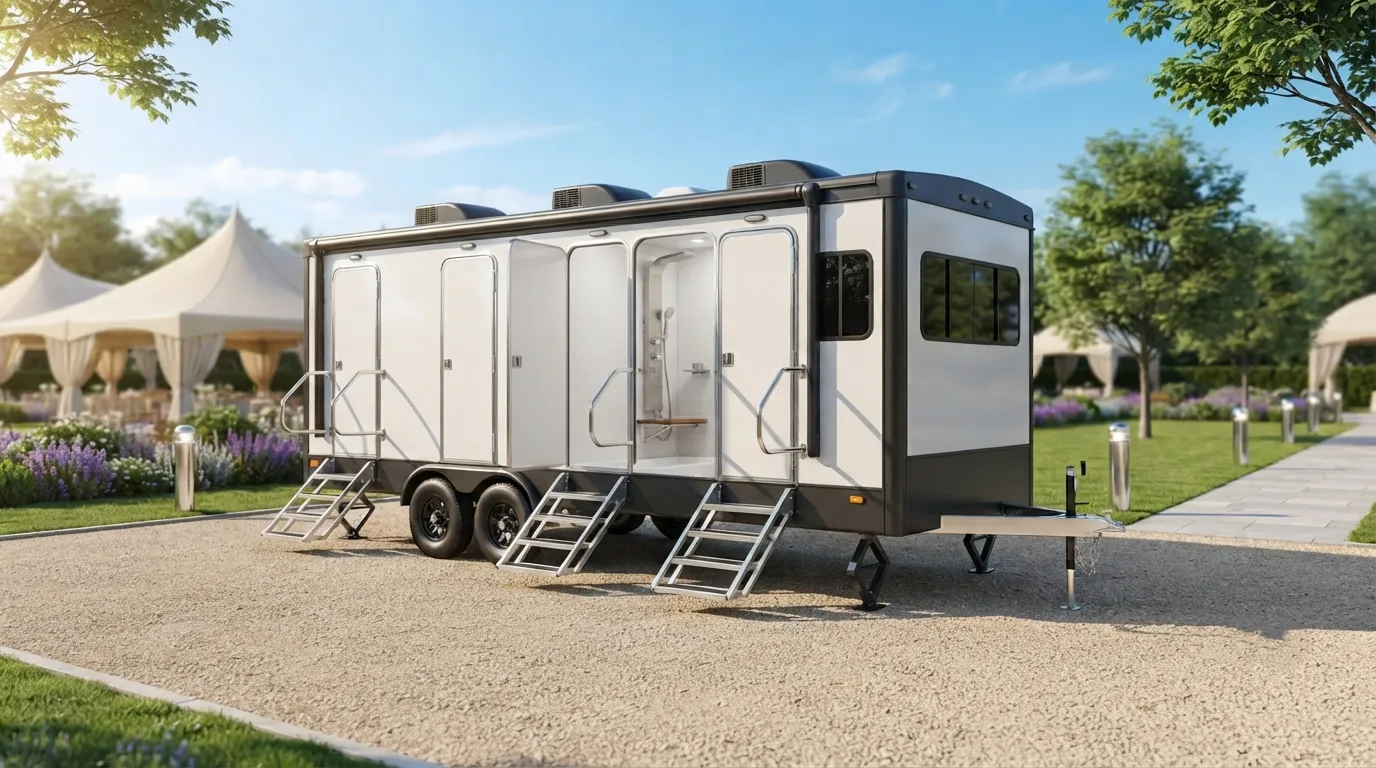
Both, generally, if the public or a mixed workforce is present. Construction crews fall under OSHA 1926.51(c) for toilet ratios, and ADA accessibility applies whenever the site isn't strictly a private, controlled workforce with no public access. Events almost always need it since attendees aren't a closed group. Weddings, festivals, and races in Arlington Heights all fall into that bucket. Our event restroom rental and construction site services pages break out the difference in ordering logic, and if you're running something like a festival restroom rental setup or a marathon and race restrooms layout, the ADA count rides alongside your general headcount math, not instead of it. Renovation jobs count too. Check home renovation porta potty for smaller residential setups that still need one accessible unit if crews or visitors rotate through.
Pricing for Compliant ADA Units
| Duration | Low | Typical | High |
|---|---|---|---|
| Day | $200 | $230 | $400 |
| Week | $120 | $185 | $240 |
A weekend rental for an ADA unit typically runs in the $199 to $300 range, which covers most Friday-through-Sunday events without stepping into a full week's rate. Compare this against a standard unit on our porta potty rental cost page, or check monthly porta potty rental if the job runs long. Delivery is billed separately; see porta potty rental per day for how that stacks with the unit rate.
Is an ADA porta potty required for a small residential job?
If it's a closed jobsite with no public access, general OSHA 1926.51(c) ratios apply first. Once neighbors, inspectors, or visitors might use the unit, plan on at least one ADA unit. Check our porta john rental page for smaller residential setups.
Can I rent just one ADA unit for a large event?
Only if your total unit count stays under 20. ADA Standards section 213.2 requires 5 percent minimum, so past 20 units you need two accessible ones. Our how many porta potties do I need guide has the breakpoints.
Does an ADA restroom trailer follow the same rules?
Yes, the door width, turning circle, and reach ranges apply the same way inside a trailer. See restroom trailer rental or luxury restroom trailer for compliant trailer options.
What happens if my site isn't ADA compliant during an inspection?
You may be required to add units on short notice, which costs more than ordering correctly upfront. Our emergency porta potty rental service covers same-window additions if you get flagged.
Do handwashing stations need ADA features too?
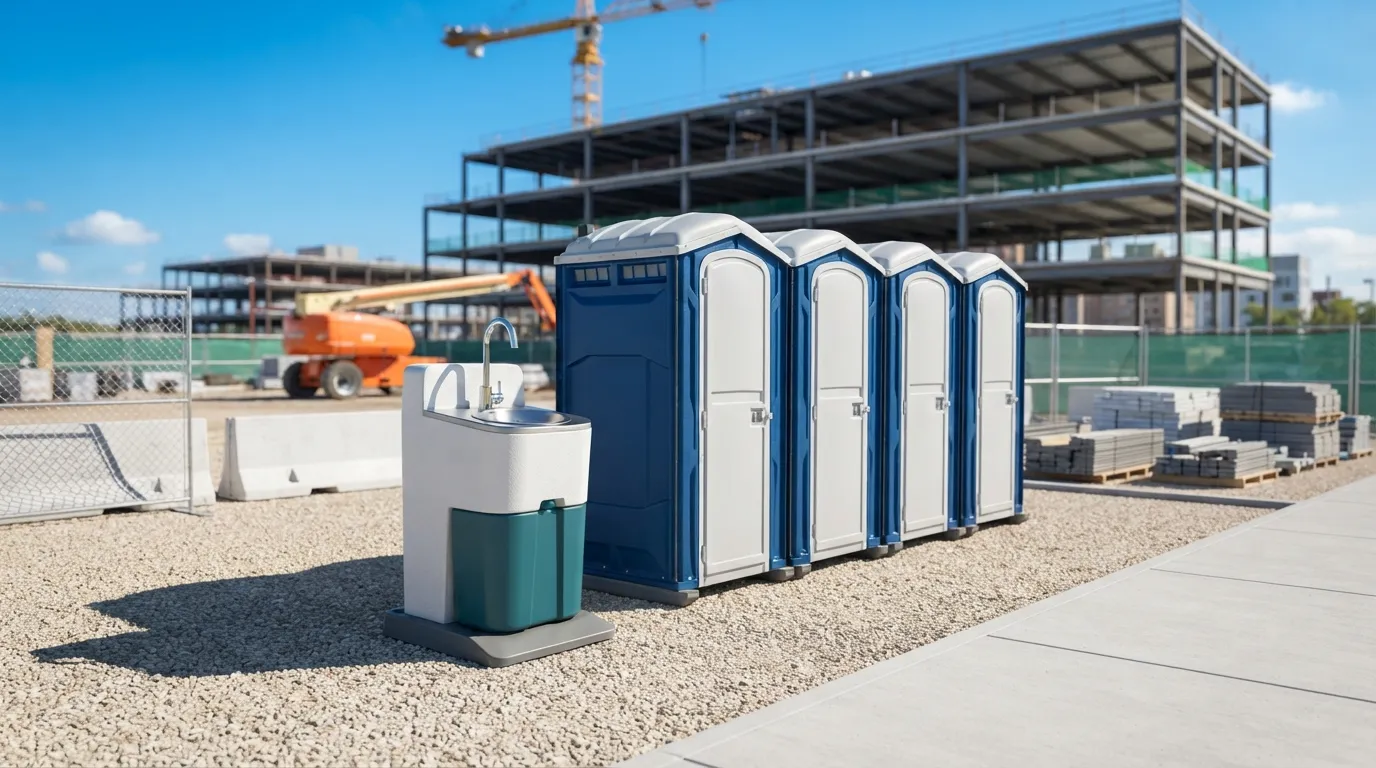
Reach ranges and operable-parts rules under sections 308.2.1 and 309.4 apply to handwashing units placed for public use. See handwashing station rental and handwashing requirements for setup details.
Next step
Get a delivery date
Tell us the address, the dates and the headcount. We size the order and confirm the route.