
How Do Porta Potties Work?
There is no pipe running to a sewer. The seat sits directly over a holding tank built into the base of the unit, and everything drops straight down. That tank holds 60 to 70 gallons on a standard porta potty rental, which is plenty for a work crew between service visits. The blue liquid you see is a deodorizing chemical that breaks down solids and keeps the smell down between pump-outs. A vent stack on the roof lets gas escape instead of building up inside. On a job site in Arlington Heights, a construction worker running to a porta potty during a short break needs the unit close to the work zone, not tucked behind a fence line 200 feet away. That is one reason placement matters as much as the equipment itself. Servicing follows a schedule, not a guess. ANSI/PSAI Z4.3, the portable sanitation service standard, sets one visit per week as the baseline for up to 10 users over a 40 hour week, and busier sites need more frequent stops. If you are trying to figure out how many units and how often, the porta potty placement guide and how many porta potties do I need pages walk through the math.
How Do Flushable Porta Potties Work?
A deluxe flushable porta potty adds a small fresh-water reservoir and a hand pump or foot pedal that pushes a measured rinse through the bowl after each use. It still drains into the same style of sealed holding tank underneath, it just clears the bowl instead of leaving waste sitting in view. Renting a deluxe unit runs 85 to 1200 dollars a day depending on features, with weekly rates typically landing between 150 and 290 dollars. These units show up most on the wedding restroom rental and event restroom rental side of the business, where guests expect something closer to a real bathroom. An ADA accessible porta potty often pairs the flush mechanism with a wider footprint built to ADA Standards section 304.3.1, which calls for a 60 inch turning circle, and section 404.2.3, which sets minimum door width at 32 inches. ADA Standards section 213.2 also requires that at least 5 percent of clustered single-user units be accessible, never fewer than one, which matters for any event drawing a crowd in Arlington Heights.
How Does a Portable Sink Work?
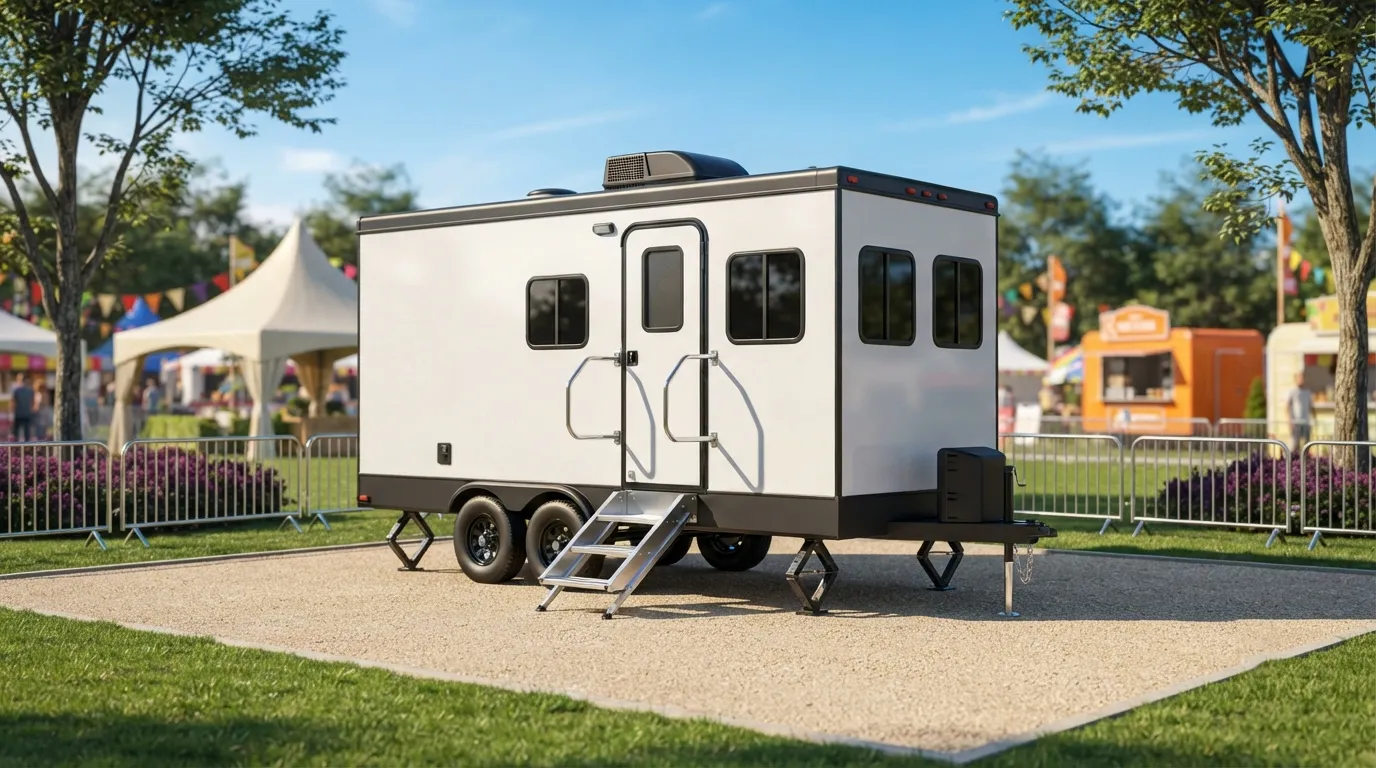
A portable sink rental or handwashing station rental works off the same no-plumbing principle as a porta potty: a fresh-water tank feeds the faucet, gravity or a foot pump moves the water, and a separate gray-water tank underneath catches the runoff. Soap and paper towels sit on the unit itself. That detail is not optional. 29 CFR 1910.141(d)(2) requires washing facilities to be stocked with soap and towels or a hand-drying device, and hand sanitizer alone does not satisfy it. On job sites doing paint, coating, or pesticide work, OSHA 1926.51(f)(1) requires washing facilities specifically because of those contaminants. General potable water access on any construction site falls under OSHA 1926.51(a)(1). Farms with hand-labor crews follow a different standard, OSHA 1928.110, which calls for a facility within a quarter mile of workers, one per 20 employees, which is why farm and agricultural restrooms get scheduled differently than a typical build site.
How Often Does a Porta Potty Get Serviced and Pumped?
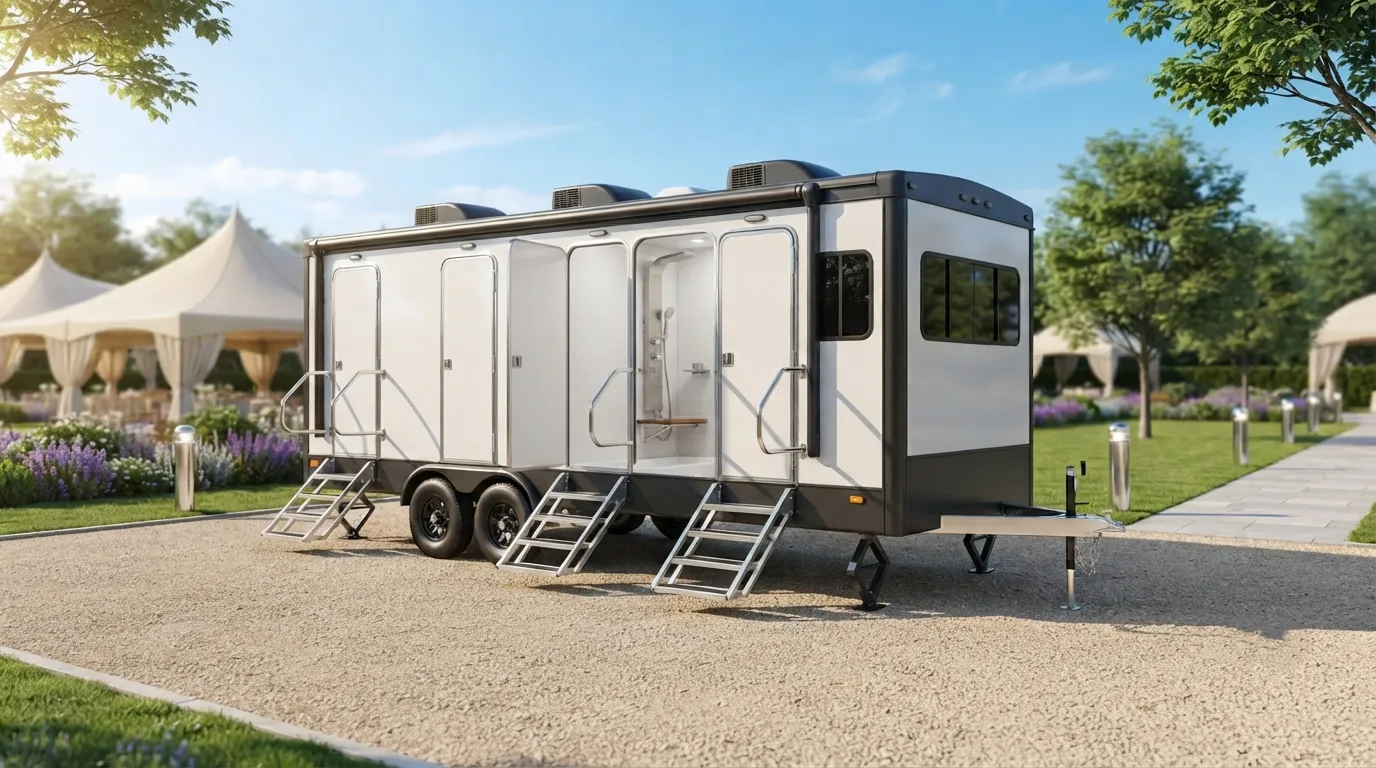
Service intervals depend on headcount, not the calendar. ANSI/PSAI Z4.3 sets the baseline at once weekly for up to 10 regular users, and the how often are porta potties cleaned page breaks down heavier-use schedules. A technician arrives, pumps the tank, refills the chemical, restocks paper, and hoses down the interior. On construction sites, unit counts follow OSHA 1926.51(c): one toilet for 20 or fewer workers, then one toilet and one urinal per 40 workers up to 200, then one per 50 beyond that. That is a different structure from the septic tank cleaning chemicals used on a home system. A residential septic tank typically needs pumping every 3 to 5 years depending on tank size and household size, which is a much longer interval than weekly porta potty service. If a system is showing trouble sooner than that, the septic tank warning signs page covers what to watch for, and septic pumping service or septic tank pumping cost can price out a visit. A grease interceptor works on a different trigger entirely: it gets pumped once fats, oils, grease and solids reach 25 percent of the liquid depth, which grease trap pumping covers in more detail.
| unit | day | week | month |
|---|---|---|---|
| standard | 100-350 | 130-500 | 125-325 |
| ada | 200-400 | 120-240 | n/a |
| deluxe | 85-1200 | 150-290 | n/a |
Camping trips work the same way in miniature. How do camping porta potties work? Small camping units use a tiny holding tank and the same deodorizing chemical, just scaled down for one or two people, and they get dumped at a disposal station rather than serviced on-site. See camping porta potty for details on that setup.
Do porta potties smell?
They can, if the chemical runs low or service gets skipped, but a properly maintained unit on a normal weekly schedule should not smell strongly. Heat and high use speed odor buildup. The do porta potties smell page covers what controls it.
What chemicals go into a porta potty?
A blue deodorizing and waste-breakdown chemical, added at setup and topped off during each service visit. It is not the same product used for septic tank cleaning chemicals in a home system, which target a much larger, longer-cycle tank.
Can I rent a porta potty for one weekend?
Yes. Weekend rates for a standard unit run roughly 125 to 400 dollars depending on unit type and delivery distance. Mount Prospect sits 3.7 miles southeast of Arlington Heights, and delivery fees scale with distance and timing.
Are porta potties ADA compliant?
Only ADA-specific units are. Standard units do not meet the clearance and turning-radius rules in ADA Standards 304.3.1 and 404.2.3. Check the ADA restroom requirements page before booking for a public event.
How do I know how many units I need?
It depends on worker or guest count and event length. OSHA 1926.51(c) sets construction ratios, and the how many porta potties do I need guide walks through the calculation for events and job sites alike.
Next step
Get a delivery date
Tell us the address, the dates and the headcount. We size the order and confirm the route.